

Product storytelling: beyond the basics

Product storytelling: beyond the basics
Want to know why some products feel fantastic while others just... work? Learn how emotional storytelling creates experiences that users love, remember, and can't wait to share. In this guide, we’ll explore how product storytelling transforms functional designs into experiences that users love, remember, and can’t wait to share.
Design that connects: why stories matter more than specs
The digital marketplace is crowded with countless options vying for users' attention. Traditional feature-focused design no longer cuts it. Modern users seek meaningful connections and experiences that speak to their emotions, making digital storytelling an essential component of successful product design.
The science behind emotional design
Research shows that products incorporating storytelling elements generate 55% more user engagement and retention compared to those that don't. When users feel emotionally connected to a product, they're three times more likely to recommend it to others and twice as likely to remain loyal to the brand.
Core elements of user-centered design storytelling
Every time someone opens your app or visits your website, they're starting a journey. Not the marketing-buzzword kind of journey - a real one, with real frustrations, hopes, and goals. Maybe they're a parent scrambling to figure out dinner after a long day, or someone trying to get their finances in order. Understanding who these people are and what story they're living through is the difference between creating another forgettable product and one that actually makes their day better. Let's break down how to put your users at the center of your design story and make something that truly clicks with them.
Know your protagonist
Every great story needs a compelling main character. In product design, that's the user. Understanding their:
- Motivations. A busy parent seeking quick, healthy meal solutions.
- Pain Points. Frustration with complicated recipe apps that require too many steps.
- Aspirations. Wanting to cook nutritious family meals while balancing a hectic schedule.
- Journey Touchpoints. From recipe discovery to grocery shopping to meal preparation.
Craft the narrative arc
Transform user flows into engaging storylines by:
Setting Up Conflicts
Too many recipe apps are overwhelming and time-consuming.Creating Tension
Highlighting the stress of meal planning with limited time.Delivering Resolutions
Introducing a 3-tap meal planning solution that saves 2 hours weekly.Emotional Journey
From the frustration of failed meal prep to the joy of serving a perfect family dinner.
Implementing digital storytelling in product design
When Duolingo’s owl celebrates your streak or Spotify recaps your year in music, it’s not just UX – it’s storytelling through interaction. These small, thoughtful moments transform routine interactions into experiences users genuinely look forward to. Through smart visual design and carefully crafted messages, great products create a world where every tap, swipe, and click feels meaningful.
Visual storytelling
Great visual storytelling thrives on consistency. Look at Airbnb - their warm, welcoming illustrations tell a continuous story about belonging anywhere, making users feel at home whether they're booking a treehouse in Thailand or an apartment in Amsterdam. Watch how Duolingo's owl mascot changes expressions throughout your learning journey, celebrating victories and showing concern when you miss lessons. Each visual choice builds character and deepens the connection.
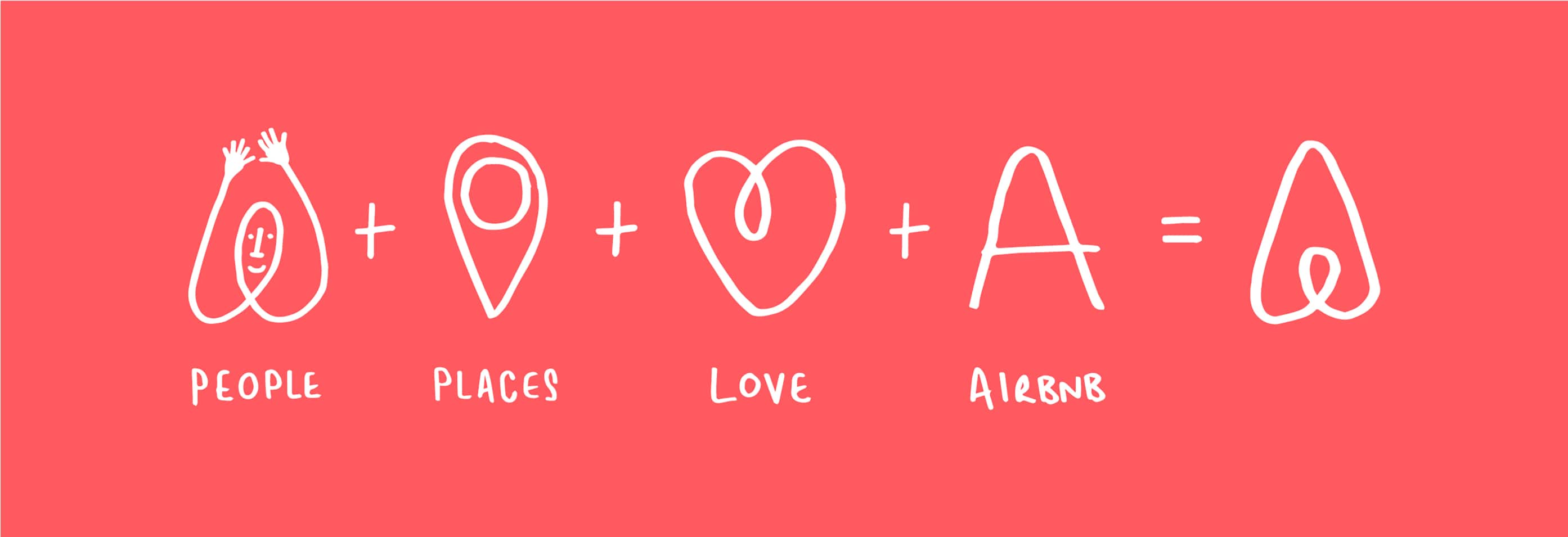
The magic continues with movement. Those satisfying micro-interactions make apps feel alive: the gentle bounce when you refresh your iPhone screen, Netflix's smooth preview animations as you hover over shows. Progress bars become mini-stories themselves - ask any fitness app user who's watched their daily step count climb toward a goal, feeling more motivated with each step.
Colors quietly shape these stories, too. Meditation apps use calming blues to help users relax, while fitness apps energize with bold oranges. This subtle psychology guides emotions without saying a word.
Content storytelling
Words carry as much power as visuals in your app's story. Headspace excels here - their onboarding feels like a friend guiding you through meditation basics with relatable scenarios, making complex concepts feel approachable and natural.
Error messages become opportunities for connection. Compare a standard "Error 404" with Spotify's playful "404s and heartbreaks". When things go wrong, personality makes all the difference. Success deserves celebration too - "You're on fire! 🔥 That's 5 days in a row!" turns completion into achievement.
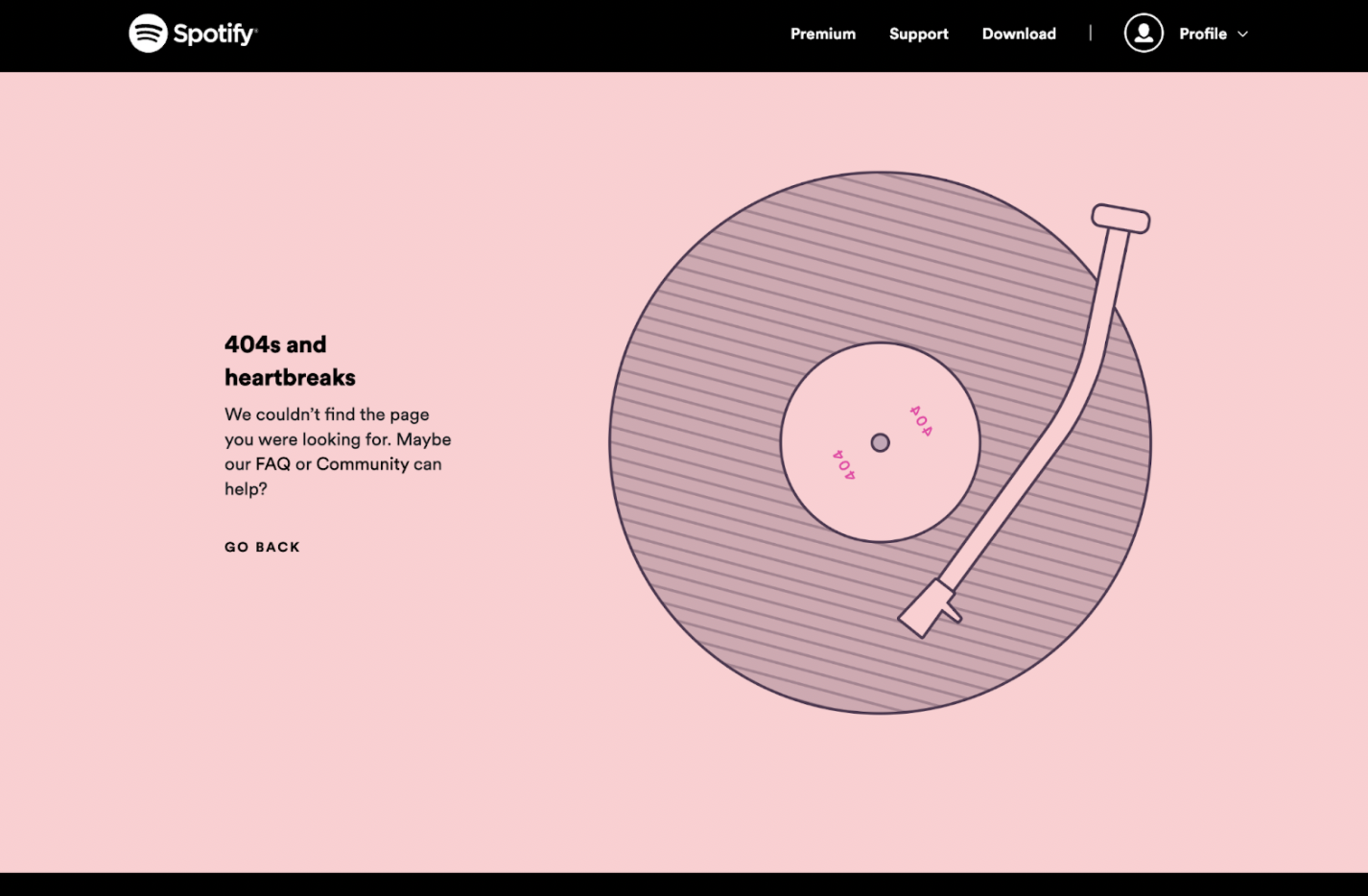
Even complex information flows naturally as part of the narrative. Robinhood explains financial concepts through relatable scenarios, while Strava transforms raw running data into engaging activity summaries. Each feature becomes another chapter in your users' ongoing story.
Remember: every interaction offers a chance to make users feel understood, celebrated, and part of something meaningful. Your product's story lives in these moments, turning routine tasks into memorable experiences that users want to return to again and again.
When design hits different?
Most products sit somewhere between “it works” and “I love it.” What separates the two is emotional resonance - the invisible thread that turns functionality into feeling. When users say, “This app just gets me,” that’s storytelling at work
If your product works perfectly but users still aren't connecting, it might be time to refactor your approach to human interaction. Our Product Design team knows how to translate tech capabilities into user delight.
FAQ
What is product storytelling in UX design?
It’s the practice of using narrative elements — visuals, words, and interactions — to make digital experiences more engaging and emotionally meaningful.
Why does storytelling matter in product design?
Stories trigger emotion and memory, helping users connect with your brand on a deeper level and increasing retention.
How do visuals support product storytelling?
Consistent colors, animations, and imagery reinforce your brand’s emotional tone, guiding users naturally through their journey.
Can storytelling improve conversion rates?
Yes — users who emotionally connect with a product are significantly more likely to recommend and continue using it, boosting engagement and ROI.

Sebastian Spiegel
Backend Development Director
Inspired by our insights? Let's connect!
You've read what we can do. Now let's turn our expertise into your project's success!